### The AI Marketing Revolution: Why 2026 Is Different
This isn’t just another year of incremental AI improvements. 2026 represents a fundamental shift where AI tools have evolved from helpful assistants to strategic partners. The integration of advanced machine learning, natural language processing, and predictive analytics has reached maturity. These tools now understand context, nuance, and emotional triggers that previously required human intuition.
What makes 2026 particularly exciting is the democratization of AI capabilities. Where once these technologies were reserved for enterprise-level budgets, today’s solutions are accessible, affordable, and surprisingly intuitive. The barrier to entry has collapsed, putting sophisticated AI marketing tools in the hands of solopreneurs, small businesses, and marketing teams of all sizes.
### Content Creation Powerhouses: Beyond Basic Writing
Gone are the days when AI content generators produced robotic, formulaic text. Today’s content AI tools understand brand voice, industry-specific terminology, and emotional resonance. They don’t just write—they strategize.
**NeuroContent AI** – This platform represents the next evolution in content creation. Rather than simply generating text based on keywords, NeuroContent analyzes your target audience’s psychological triggers, current market sentiment, and competitor content gaps. It then creates content that’s not just optimized for search engines, but engineered for human connection.
What makes NeuroContent stand out:
* Emotional intelligence scoring for every piece of content
* Multimodal content generation (blogs, social posts, video scripts, newsletters)
* Real-time adaptation to trending topics and breaking news
* Seamless integration with your existing content management systems
**VisualGenius Pro** – While text remains crucial, visual content consumption has exploded. VisualGenius Pro understands this shift, offering AI-driven design that goes beyond templates. The platform analyzes your brand colors, fonts, and aesthetic preferences, then generates original visual content that maintains brand consistency while staying fresh and engaging.
Key features include:
1. Dynamic ad creatives that A/B test themselves
2. Infographic generation from data sets or text descriptions
3. Social media visual suites with platform-specific optimizations
4. Video thumbnail optimization with proven engagement patterns
### Predictive Analytics & Customer Intelligence
Marketing success in 2026 depends less on what customers have done and more on what they will do. Predictive analytics tools have evolved from simple trend analysis to sophisticated behavioral forecasting.
**CustomerCrystal AI** – Imagine having a crystal ball that shows you exactly which customers are about to convert, which are at risk of churning, and which have untapped lifetime value potential. CustomerCrystal does precisely this by analyzing thousands of data points across customer journeys, purchase histories, and engagement patterns.
How marketers use CustomerCrystal:
* Predictive lead scoring that identifies hot prospects 30 days before they’re ready to buy
* Churn prevention alerts with specific intervention recommendations
* Personalized messaging suggestions based on individual customer psychology
* ROI forecasting for different marketing channel allocations
“The most successful marketers in 2026 won’t just react to data—they’ll anticipate needs before customers even articulate them,” notes marketing futurist Dr. Elena Rodriguez. “Tools like CustomerCrystal transform marketing from a cost center to a profit driver by focusing resources where they’ll have maximum impact.”
### SEO & Search Intelligence Evolution
Search engine algorithms have become increasingly sophisticated, and so have the tools to master them. The old days of keyword stuffing and backlink quantity are over. Today’s SEO success requires understanding search intent, semantic relationships, and user satisfaction signals.
**SemanticSearch Pro** – This tool represents a paradigm shift in SEO strategy. Instead of focusing on individual keywords, SemanticSearch Pro analyzes entire search ecosystems. It understands how topics relate to each other, identifies knowledge gaps in your content, and recommends comprehensive content clusters that dominate search results.
Essential capabilities include:
* Search intent classification across four dimensions: informational, navigational, commercial, and transactional
* Topic authority mapping against competitor landscapes
* Content gap analysis with priority scoring
* Voice search optimization for the growing smart speaker market
**RankPredict AI** – What if you could know exactly how a piece of content would perform before you even published it? RankPredict AI uses historical data, competitor analysis, and algorithmic patterns to forecast search performance with remarkable accuracy. This allows marketers to allocate resources to content with the highest potential return.
### Social Media & Community Management
The social media landscape has fragmented into niche platforms while maintaining major players. Managing this complexity requires AI tools that understand platform-specific nuances, audience demographics, and content preferences.
**SocialSynapse AI** – This platform functions as a central nervous system for your social media presence. Rather than simply scheduling posts, SocialSynapse analyzes engagement patterns, identifies optimal posting times for different audience segments, and even suggests content adaptations for cross-platform performance.
Why marketers love SocialSynapse:
* Sentiment analysis that goes beyond positive/negative to identify emotional triggers
* Community health scoring with improvement recommendations
* Influencer matching based on audience alignment rather than just follower count
* Crisis detection and response templates for potential PR issues
### Email Marketing Personalization at Scale
Email remains one of the highest-ROI marketing channels, but generic blasts no longer cut through. Modern consumers expect personalization that feels genuinely human, not algorithmically generated.
**PersonaMail AI** – This tool creates dynamic email content that adapts to individual subscriber behavior, preferences, and engagement history. It’s like having a copywriter dedicated to every single person on your list, crafting messages that resonate on a personal level while maintaining brand consistency.
Advanced features include:
* Behavioral trigger sequences that respond to real-time subscriber actions
* Subject line optimization with predicted open rate accuracy above 85%
* Send time optimization based on individual historical engagement patterns
* Content block swapping that personalizes every element of an email campaign
### Advertising & Campaign Optimization
Paid advertising has become a sophisticated game of micro-optimizations. Manual bid adjustments and audience targeting can’t compete with AI systems that process millions of data points in real time.
**AdQuantum AI** – Named for its ability to make quantum leaps in advertising efficiency, this platform continuously optimizes campaigns across channels. It doesn’t just follow rules—it creates new optimization strategies based on emerging patterns that human analysts would likely miss.
Key advantages for 2026 marketers:
* Cross-channel budget allocation that shifts funds to highest-performing platforms
* Creative rotation based on fatigue patterns and performance decay
* Audience expansion that identifies lookalike segments with precision
* Attribution modeling that accounts for the increasingly complex customer journey
### Integration & Workflow Automation
The most powerful AI tools are worthless if they create more work through complicated integrations and manual data transfers. The winning tools of 2026 prioritize seamless ecosystem integration.
**MarketingOrchestrator AI** – Think of this as the conductor of your marketing technology symphony. It connects all your AI tools, data sources, and platforms into a cohesive workflow. The system learns your team’s processes and suggests automation opportunities, gradually taking over repetitive tasks while humans focus on strategy and creativity.
Integration highlights:
* No-code workflow builder with drag-and-drop simplicity
* Data normalization across disparate sources and formats
* Alert system for anomalies or exceptional performance
* Compliance automation for privacy regulations across jurisdictions
### Implementation Strategy: Getting Started with AI Marketing Tools
Adopting these tools requires more than just purchasing software licenses. Successful implementation follows a strategic approach:
**Phase 1: Assessment & Prioritization**
Start by auditing your current marketing challenges and opportunities. Identify areas where AI could have the most immediate impact—whether that’s content creation bottlenecks, inefficient ad spending, or poor customer segmentation.
**Phase 2: Pilot Programs**
Select one or two tools to test on a small scale. Run parallel campaigns where you compare AI-assisted performance against your traditional methods. Document results, challenges, and team feedback.
**Phase 3: Skill Development**
AI tools amplify human capabilities but don’t replace strategic thinking. Invest in training your team to work effectively with these systems. Focus on interpreting AI recommendations, providing quality inputs, and maintaining creative oversight.
**Phase 4: Scaling & Integration**
Once you’ve validated initial tools, expand their use across your marketing operations. Focus on integrating different AI systems to create a cohesive technology stack rather than isolated point solutions.
### The Human Element in AI-Driven Marketing
As powerful as these tools become, they work best when paired with human creativity, empathy, and strategic vision. The most successful marketing teams of 2026 will be those that view AI as collaborative partners rather than replacement tools.
Remember that AI excels at:
* Processing massive data sets
* Identifying patterns invisible to human analysis
* Executing repetitive tasks with perfect consistency
* Optimizing based on quantitative metrics
Humans excel at:
* Understanding emotional nuance and cultural context
* Creative leaps and innovative thinking
* Ethical judgment and brand stewardship
* Building genuine relationships and trust
The winning formula combines AI’s analytical power with human creativity and strategic oversight.


 by
by 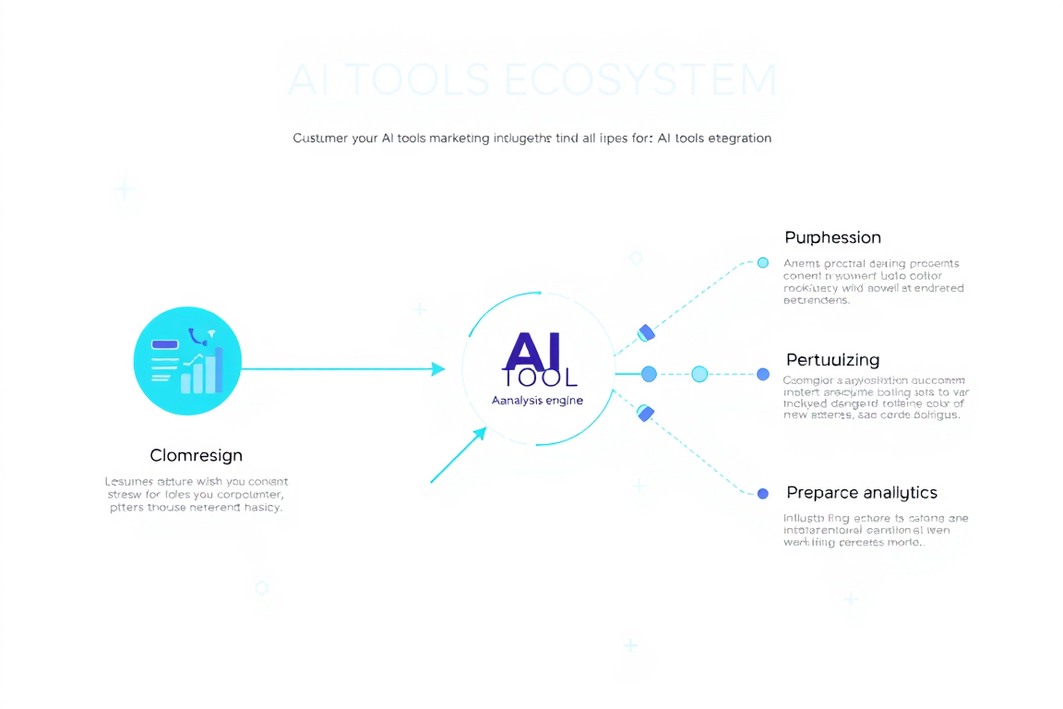


Latest Comments