## **The Data-Driven Health Revolution**
Remember when tracking your health meant writing down numbers in a notebook? Those days are gone. Today, AI systems process more health data in a day than a human doctor could analyze in a lifetime. This isn’t just about crunching numbers—it’s about finding patterns that can save lives.
**What’s really happening?** AI algorithms are learning from:
* **Millions of medical records** – spotting disease patterns across populations
* **Genomic data** – understanding how your unique DNA affects health risks
* **Wearable device metrics** – tracking real-time vital signs 24/7
* **Environmental factors** – connecting air quality, weather, and local health outcomes
“The most exciting developments are in predictive analytics,” says Dr. Sarah Chen, a digital health researcher at Stanford. “We’re moving from treating illness to preventing it entirely.”
Consider this: AI-powered systems can now predict diabetic complications up to 48 hours before they become emergencies. That’s not just convenient—it’s life-changing.
## **Your Personal AI Health Companion**
Think about your last doctor’s visit. You probably had 15-20 minutes to discuss months of health history. Now imagine having continuous monitoring and instant insights. That’s what AI brings to the table.
### **Smart Monitoring That Never Sleeps**
Modern wearables with AI capabilities do much more than count steps. They’re becoming sophisticated health monitoring systems:
1. **Heart rhythm analysis** – Detecting irregularities like atrial fibrillation before symptoms appear
2. **Sleep pattern optimization** – Learning your sleep cycles and suggesting improvements
3. **Stress level tracking** – Monitoring physiological signs of stress throughout the day
4. **Recovery monitoring** – Advising when to rest or push harder based on your body’s signals
**The real magic happens when these systems learn your personal baseline.** What’s normal for you might be concerning for someone else. AI remembers that your resting heart rate is naturally higher on Mondays (hello, work stress!) and accounts for it.
### **Medication Management Made Simple**
Medication errors cause approximately 1.5 million preventable adverse drug events annually in the U.S. alone. AI is tackling this problem head-on:
* **Smart pill dispensers** that remind you when to take medication
* **Interaction checkers** that flag dangerous drug combinations instantly
* **Dosage optimizers** that adjust based on your body’s response patterns
* **Supply monitors** that automatically reorder before you run out
These systems don’t just remind—they understand. If you consistently miss your evening dose, they’ll ask why and suggest solutions.
## **Mental Wellness Gets a Tech Upgrade**
While physical health gets most of the attention, AI is making huge strides in mental wellbeing too. This isn’t about replacing therapists—it’s about providing support between sessions.
### **AI Therapists and Mood Trackers**
Several remarkable developments are changing mental health care:
* **Conversational AI therapists** available 24/7 for immediate support
* **Mood prediction algorithms** that notice patterns you might miss
* **Crisis detection systems** that alert human helpers when needed
* **Personalized coping strategy suggesters** based on what actually works for you
**Here’s what makes these systems effective:** They’re trained on thousands of therapy sessions and cognitive behavioral therapy techniques. They recognize when someone says “I’m fine” but their typing patterns suggest otherwise.
### **Sleep and Stress Management**
Poor sleep affects everything from immune function to mental clarity. AI-powered sleep solutions include:
* **Smart alarms** that wake you during light sleep phases
* **Environmental optimizers** that adjust room temperature and lighting
* **Wind-down assistants** that guide meditation and breathing exercises
* **Sleep quality analyzers** that identify patterns affecting rest
**The best part?** These systems get smarter over time. They learn that you sleep better after evening walks but worse after late-screen time, then gently nudge you toward better habits.
## **Preventive Care: Stopping Problems Before They Start**
Traditional healthcare often feels like waiting for a fire to start before calling the fire department. AI is building smoke detectors for your health.
### **Early Disease Detection**
AI systems are achieving remarkable accuracy in early diagnosis:
* **Skin cancer detection** with accuracy matching board-certified dermatologists
* **Diabetic retinopathy screening** from simple retinal scans
* **Early Alzheimer’s prediction** from speech pattern analysis
* **Cardiovascular risk assessment** from retina photographs alone
**This isn’t future tech—it’s available now.** In some clinics, AI analyzes medical images while doctors review them, acting as a second pair of expert eyes that never gets tired.
### **Personalized Prevention Plans**
Your ideal prevention strategy depends on dozens of factors: genetics, lifestyle, environment, even your microbiome. AI creates truly personalized plans by considering:
* **Genetic risk factors** you inherited
* **Local environmental risks** in your area
* **Your daily habits** and routine patterns
* **Family medical history** across generations
* **Current health markers** and trends over time
The result? Prevention advice that actually fits your life, not generic “eat better, exercise more” recommendations.
## **Nutrition and Fitness: Personalized for You**
Fitness apps have been around for years, but AI takes personalization to another level.
### **AI Nutrition Coaches**
Forget generic meal plans. AI nutrition systems consider:
* **Your specific health goals** – weight loss, muscle gain, managing conditions
* **Food preferences and allergies** – no more suggestions you’d never eat
* **Local availability** – suggesting recipes with ingredients you can actually find
* **Budget constraints** – creating affordable healthy eating plans
* **Cooking skill level** – adjusting complexity based on your experience
**They even learn your schedule.** Busy Wednesday? Here’s a 15-minute dinner. Weekend meal prep time? Here are batch-cooking suggestions.
### **Smart Fitness Training**
AI fitness platforms provide what human trainers can’t: continuous form analysis and instant feedback. These systems:
* **Analyze exercise form** through your phone’s camera
* **Suggest real-time corrections** to prevent injury
* **Adjust workout intensity** based on your performance that day
* **Track progress across hundreds** of data points
* **Modify routines automatically** when you plateau
**The beauty is in the adaptation.** If you’re recovering from an injury, the AI adjusts your entire program. If you’re traveling with limited equipment, it creates effective bodyweight workouts.
## **The Human-AI Partnership**
Some people worry AI will replace human healthcare providers. The reality is more exciting: AI augments human expertise.
### **Doctors With Superpowers**
Imagine your doctor having:
* **Instant access** to the latest research on your condition
* **Pattern recognition** across millions of similar cases
* **Predictive models** of how you’ll respond to treatments
* **Administrative assistants** handling paperwork automatically
**This means more time for what matters:** human connection, empathy, and personalized care. Doctors spend less time on paperwork and more time with patients.
### **Making Specialists More Accessible**
AI triage systems can:
* **Handle initial assessments** for common conditions
* **Prioritize urgent cases** for faster specialist attention
* **Provide basic information** while patients wait for appointments
* **Monitor chronic conditions** between doctor visits
**The result?** Better allocation of limited medical resources and faster care for those who need it most.
## **Privacy and Ethical Considerations**
With great data comes great responsibility. The health AI revolution must navigate important questions:
* **Who owns your health data?**
* **How is it protected** from breaches?
* **What about algorithmic bias** in medical AI?
* **How do we ensure** these tools help everyone, not just the privileged?
**Transparency is crucial.** The best AI health companies explain:
* **What data they collect** and why
* **How algorithms make decisions**
* **Your rights to access and delete** your data
* **Their security measures** to protect your information
Look for companies that undergo third-party audits and publish their privacy practices clearly.
## **Getting Started With AI Health Tools**
Ready to explore AI for your wellbeing? Start smart:
1. **Begin with one area** – mental health, fitness, or sleep
2. **Choose reputable apps** with clear privacy policies
3. **Start with free trials** before committing
4. **Combine AI tools** with professional care when needed
5. **Listen to your body** – tech supports, doesn’t replace, bodily wisdom
**Remember:** The goal isn’t perfection. It’s progress. AI tools provide insights, but you make the decisions.
## **The Future of AI in Wellbeing**
What’s coming next in AI for health and wellbeing? Look for:
* **Multimodal AI** combining voice, text, and biometric data
* **Predictive wellness** anticipating needs before you recognize them
* **Integration across devices** for seamless health monitoring
* **Community health insights** improving public health strategies
* **Affordable access** bringing AI benefits to underserved communities
**The most exciting development?** Systems that don’t just track health but actively help create it—suggesting not just what’s wrong, but how to make things right.


 by
by 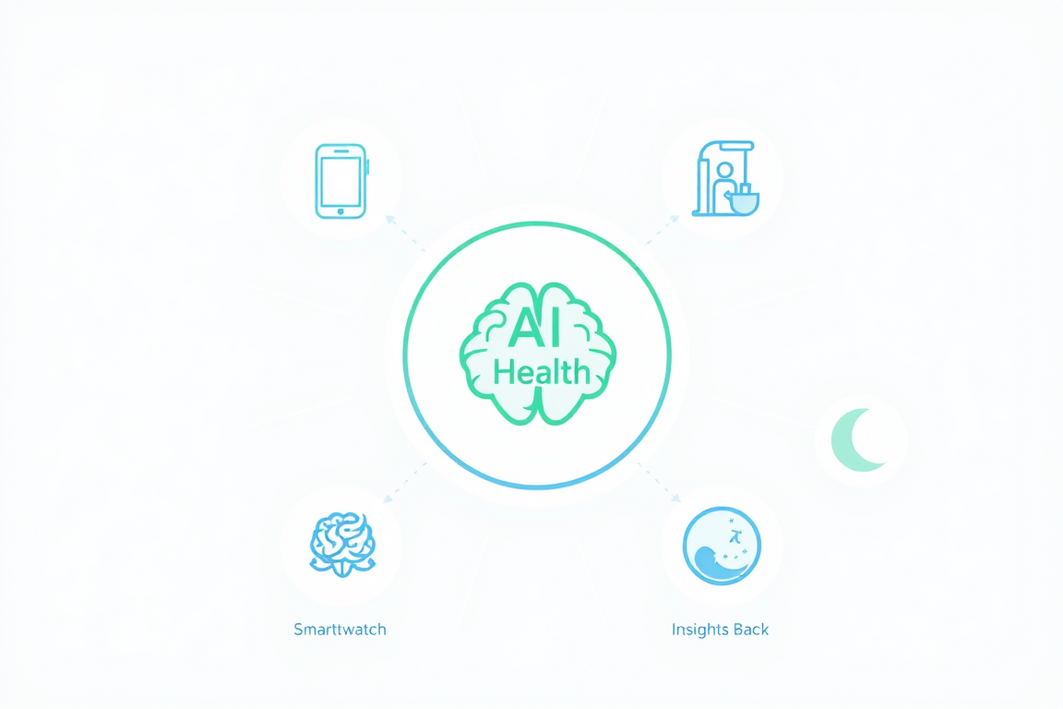


Latest Comments