

Nostalgia: Booking A Ski Holiday in the 80s and 90s With the Kings and Queens of Travel
- October 1, 2025
- Uncategorised
Once upon a time we all made our way down the high street to book our ski holidays, hell bent on becoming... Read More
 by new
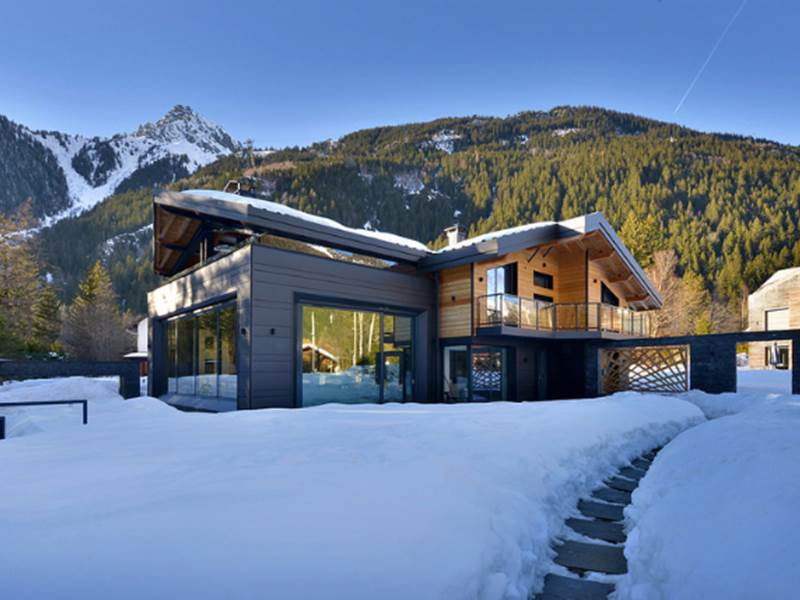
With an estimated 15,000 stranded motorists on French roads at the end of 2014 for the start of the New Year Ski Holidays, the need for sensible planning and preparation for skiers driving to the Alps was highlighted in dramatic circumstances.
Here is our guide to safer winter driving:
The reliability and lower necessity for maintenance of the modern vehicle has meant fewer motorists today check their vehicles regularly or before embarking on a long journey. However, when travelling to the Alps, where the extremities, severe temperatures, ice, snow, etc, place greater pressure on vehicles, this is one time we would suggest it really is necessary.
Typical checks (but not necessarily an exhaustive list) should include:
Our top tip is never under estimate how dangerous winter driving can be, it has a habit of biting you if you do! Braking distances for example are dramatically reduced in wintery weather and conditions, regardless of whether you have winter tyres and / or snow chains fitted. Also, the risk of sliding when cornering or making sudden steering changes is one of the main causes of severe accidents in winter and the Alps, quite often on black ice when drivers are least expecting it (e.g. where generally road conditions have been good but water from the mountain and / or a mountain shadow has created different conditions in a specific spot, etc).
 So here is our advise to mitigating some of the driving risks in the alps to try and help reduce delays and injuries driving to the Alps:
Ideally, take a winter driving course before you go. The skills you will learn may not only come in handy during your car journey to and in the Alps, they are great skills you can use at home too.
For the record, we think both are necessary for safety and traffic flow reasons, and in some countries, Switzerland for example, they are a legal requirement from November 1st to April 1st.
If you have ever wondered why a Renault Clio has passed your 4×4 with ease on a steep snowy incline then the answer is generally a simple one – snow tyres. Look closely and you’ll probably be surprised to see they look like a normal tyre (contrary to popular opinion they don’t have studs except in severe arctic / cold countries) with the only difference being the compound and tread. Certainly if you are making a couple of trips to the Alps they are a great investment, and can be used on UK and other European roads too. In fact, Several motorist organisations suggest that below 8 degrees celsius they are the generally the best option for safety over other tyres. Speaking from experience, we think you’ll be amazed at how much safer and easier driving is in winter conditions with them.
Snow chains even where not obligatory, are a must in our view on some roads, in wintery conditions. Drivers should therefore ensure such are carried in the vehicle and in a good condition (we advise you lightly oil them at the end of the season to avoid rust / degradation but still check them prior to departure).
Having them in the car however is not enough in our view. The interesting fact that came out of the December 2014 debacle in France (that left motorists stranded for 24 hours) was that one of the factors that caused the severe delays not the just motorists not having snow chains, but not know how to fit them! We therefore strongly recommend you practice several times before your departure. Fitting them quickly avoids two things, firstly very cold hands (far nicer to practice getting it right (and practice is needed) in warm weather than sub zero temperatures with wet hands from the snow), and secondly, spending too long next to the road fitting them isn’t always the safest thing in any circumstance, least of all slippery conditions, so the least time spent fitting is definitely beneficial. On the latter point, wherever and whenever possible, pull over, off the road in a safe place, as soon as possible to fit them and if on or close to a road, don’t forget to use your warning triangle and hazard lights, ensuring passenger are outside the vehicle and waiting in a safe place.
European safety requirements mean that a fluorescent jacket, and a red safety triangle are carried at all times (check other countries requirements too as additional requirements do exist) and in addition, we would recommend the following items:
In most situations, as soon as safe to do so, driver and passengers should leave the vehicle and find a safe place to await emergency help. Where the accident involves other vehicles, and or people, the general advice, but circumstance can change this, are to:
Austria, Italy, France and Switzerland, the number for emergency services is 112. In the event of an accident, try to be clear regarding:
The above noted, in most circumstances, driving to the Alps is a great way to enjoy a ski holiday, and providing your drive safely, with the right equipment, it provides the flexibility where you can ski, stay, and see. Journey times vary, but most ski resorts can be reached in between 10 and 14 hours and with a stop over on the way, are often a great way to see other countries and really experience the scenery and culture.
Happy and safe driving to the alps from the Chalet Ski Holidays team!
NB: Our ski travel guide for winter driving and driving to the Alps is only a guide and it is not intended to be a definitive list, or should replace you own driver training, or safe decision making in respect of driving in and to the alps.
Once upon a time we all made our way down the high street to book our ski holidays, hell bent on becoming... Read More
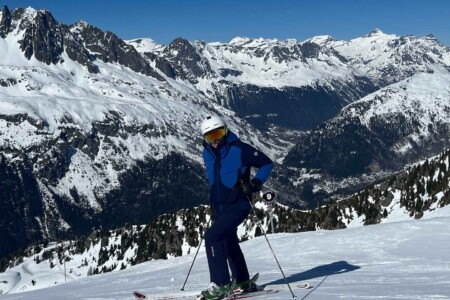
Looking for a great late spring ski chalet holiday but not sure where to go for an April snow sure skiing holiday?... Read More
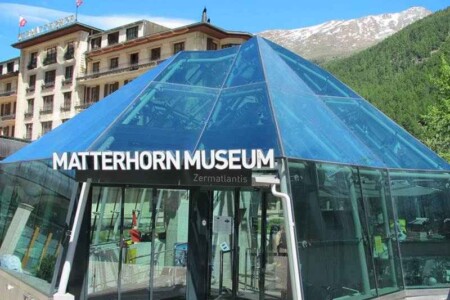
Most people dream of a beach & sunshine but why not try something new this year? A summer chalet holiday in the... Read More

## **The Data-Driven Health Revolution** Remember... Read More

### The AI Marketing Revolution: Why... Read More

Why AI Tools Are Essential for... Read More

With over 20 years in alpine travel, our knowledge is deep and personal. We don’t just know the resorts — we understand the mountain rhythm.
Each chalet is hand-selected for style, comfort, and location. Nothing makes the cut without meeting our exacting standards.

We offer a seamless, personal approach — with no added fees at any stage. Just tailored support throughout, from first enquiry to après-ski.
Luxury is often unspoken. We value privacy, calm, and grace. Your stay is defined not by excess, but by quiet, crafted effortlessness.
Latest Comments